
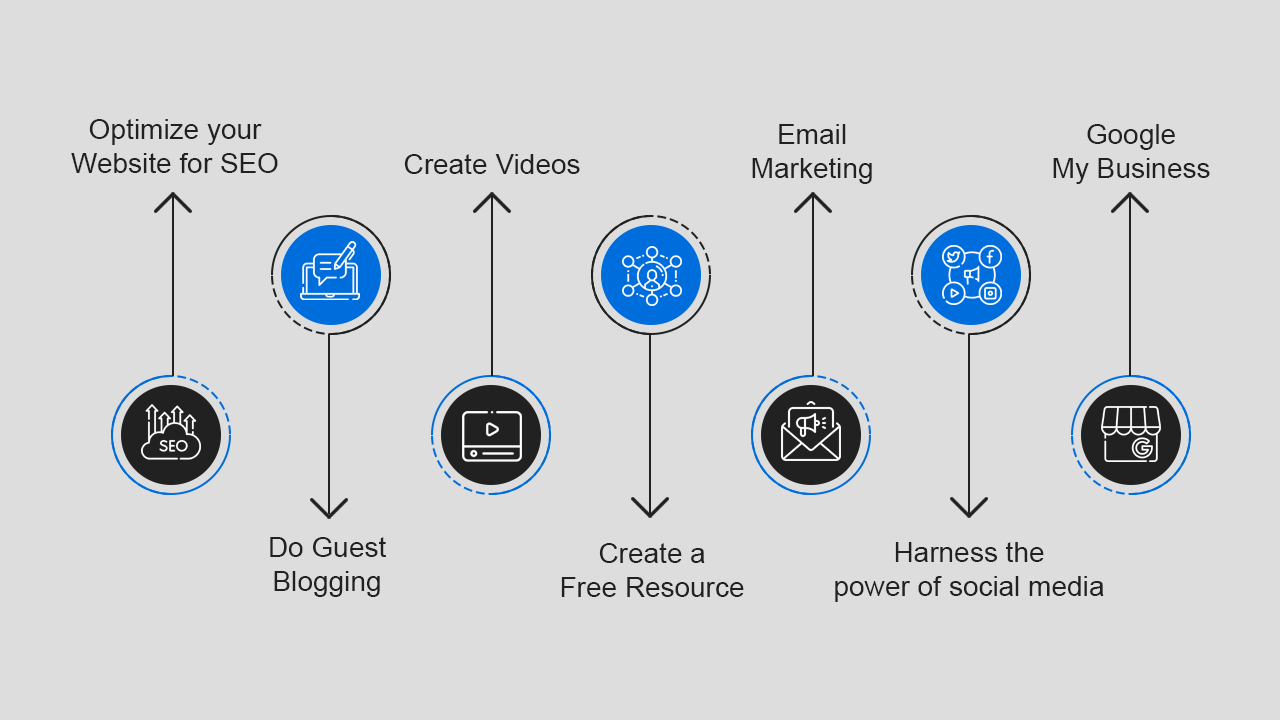
Search Engine Optimization (SEO) is a critical aspect of digital marketing that helps businesses enhance their online visibility. However, numerous myths surround SEO, leading to misconceptions that can hinder effective strategies. This report aims to debunk some of the most common myths about SEO, providing clarity for web promotion partners marketers and business owners alike.
One prevalent myth is that SEO is a one-time task. Many believe that once their website is optimized, they can sit back and relax. In reality, SEO is an ongoing process that requires continuous effort. Search engines frequently update their algorithms, and competitors are always working to improve their rankings. Regular updates to content, keywords, and technical aspects of a website are essential to maintain and improve rankings over time.
Another common misconception is that SEO is solely about keywords. While keywords are indeed important, focusing exclusively on them can lead to poor results. Modern SEO emphasizes the importance of user experience, content quality, and relevance. Search engines aim to provide users with the best possible results, so creating high-quality, engaging content that meets user intent is crucial for successful SEO.
Many also believe that SEO guarantees immediate results. This myth can lead to frustration and disappointment for businesses that expect rapid improvements in their search rankings. SEO is a long-term strategy, and it can take weeks or even months to see significant changes in traffic and ranking. Patience and consistent effort are key components of a successful SEO strategy.
Another widespread myth is that backlinks are no longer important due to the rise of social media and other marketing strategies. However, backlinks remain a fundamental aspect of SEO. High-quality backlinks from authoritative sites signal to search engines that a website is trustworthy and relevant, which can significantly improve its ranking. While social media can drive traffic and engagement, it does not replace the need for a robust backlink profile.
Some believe that SEO is too technical and requires extensive coding knowledge. While technical SEO is indeed a component of the strategy, many aspects can be managed without advanced technical skills. Various user-friendly tools and platforms allow businesses to optimize their websites without needing to write code. Understanding the basics of SEO and utilizing available resources can empower anyone to improve their site’s visibility.
Another myth is that SEO is only about ranking on the first page of search results. While being on the first page is desirable, it is equally important to focus on the quality of traffic and conversions. A website can rank well for specific keywords but may not necessarily attract the right audience. Understanding the target market and optimizing for relevant terms can lead to better engagement and higher conversion rates.
Lastly, some believe that social media has no impact on SEO. While social media signals do not directly influence search rankings, they can drive traffic and increase brand awareness. A strong social media presence can lead to more people sharing content, which can indirectly boost SEO efforts by generating backlinks and increasing visibility.
In conclusion, debunking these common myths about SEO is crucial for businesses looking to enhance their online presence. Understanding that SEO is an ongoing process, focusing on quality content, valuing backlinks, and recognizing the importance of user experience can lead to more effective SEO strategies. By dispelling these misconceptions, businesses can better navigate the complexities of SEO and achieve their digital marketing goals.
